Mercedes is ushering in a new era of electric mobility – wholeheartedly and unabashedly.
a) What is it?
Mercedes-Benz isn’t simply rolling out more EVs—it’s taking a step back and changing how it builds them from scratch. So far, many electric cars (not just from Mercedes) have started life as petrol or diesel models and then been adapted. It gets the job done, but it’s never quite perfect—there are always a few trade-offs along the way. What the brand is doing next is different: a set of dedicated EV platforms that are designed from day one to be electric.
That shift sounds technical, but the impact is pretty straightforward. Better proportions, more usable space, and cars that feel like they were meant to be electric—not converted into one. There’s also a big push toward software, with future models built to behave more like evolving devices than static machines.
In essence:
- All-new EV-first platforms (not adapted ICE cars)
- Stronger focus on efficiency and range
- Software is becoming central to the experience
b) What’s new?
The real difference is not immediately noticeable – it’s the structure underneath. With Mercedes-Benz adopting a canvas approach, the brand can now arrange everything as it sees fit. This places the battery on the floor, increasing interior space and providing greater stability during driving. You get the added benefit of having extra space inside the car and stability while driving.
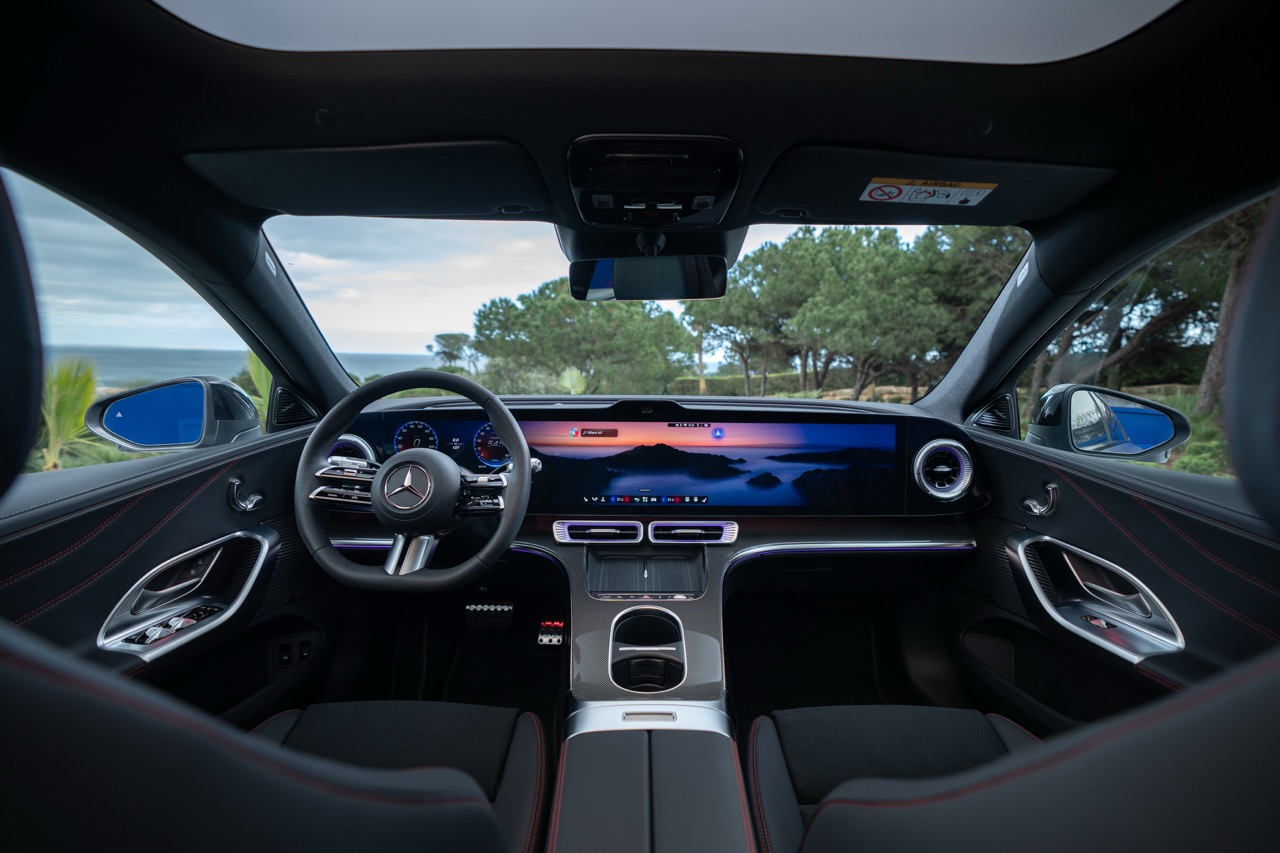
There is also technology to consider. The new EVs are set to use the 800V system. In simple terms, this equals fast charging and efficient performance. And unlike traditional cars, these won’t stay the same after you buy them. With new software systems, features can be updated, improved, or even added later.
What really changes here:
- Clean-sheet EV platforms with no legacy constraints
- Noticeably better interior space and layout
- Faster charging thanks to 800V tech
- Cars that improve over time via updates
c) Who is it for?
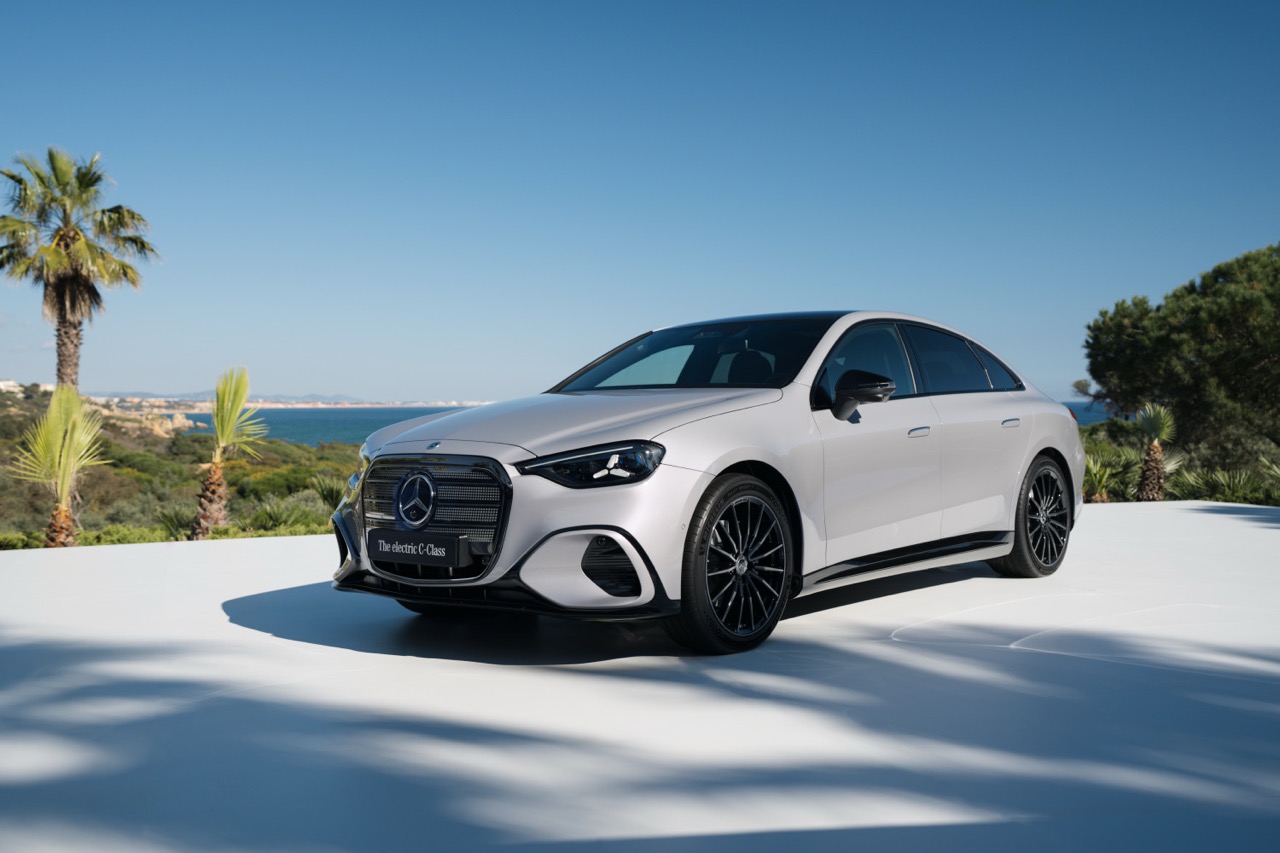
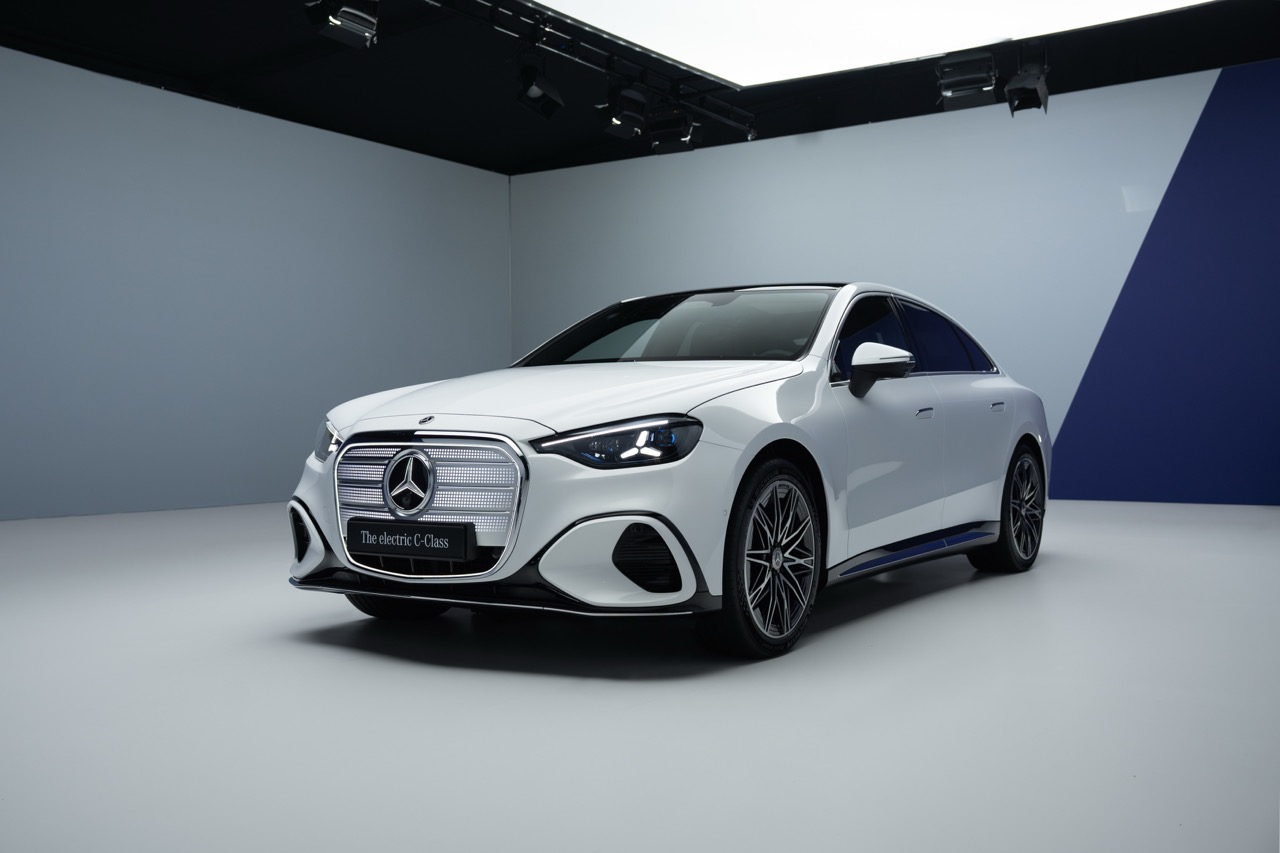
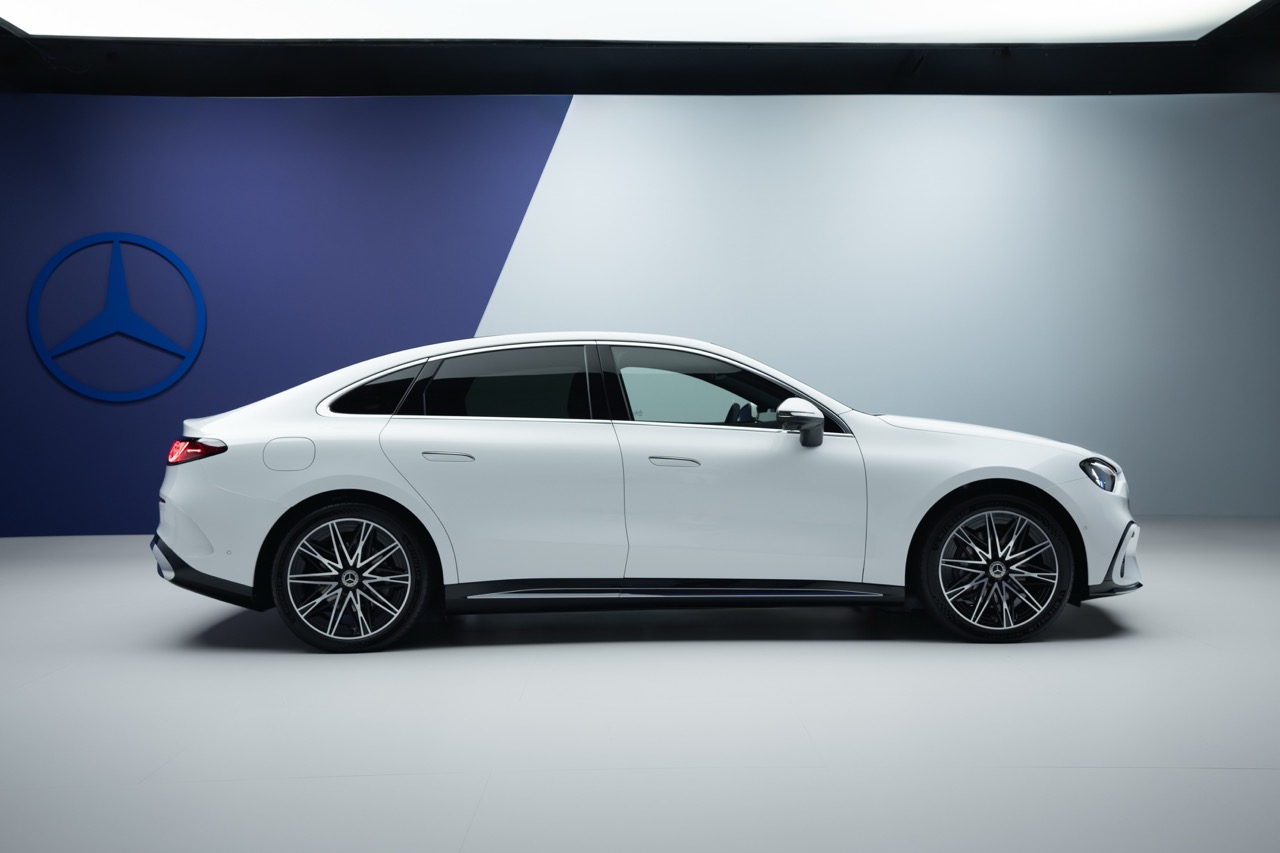
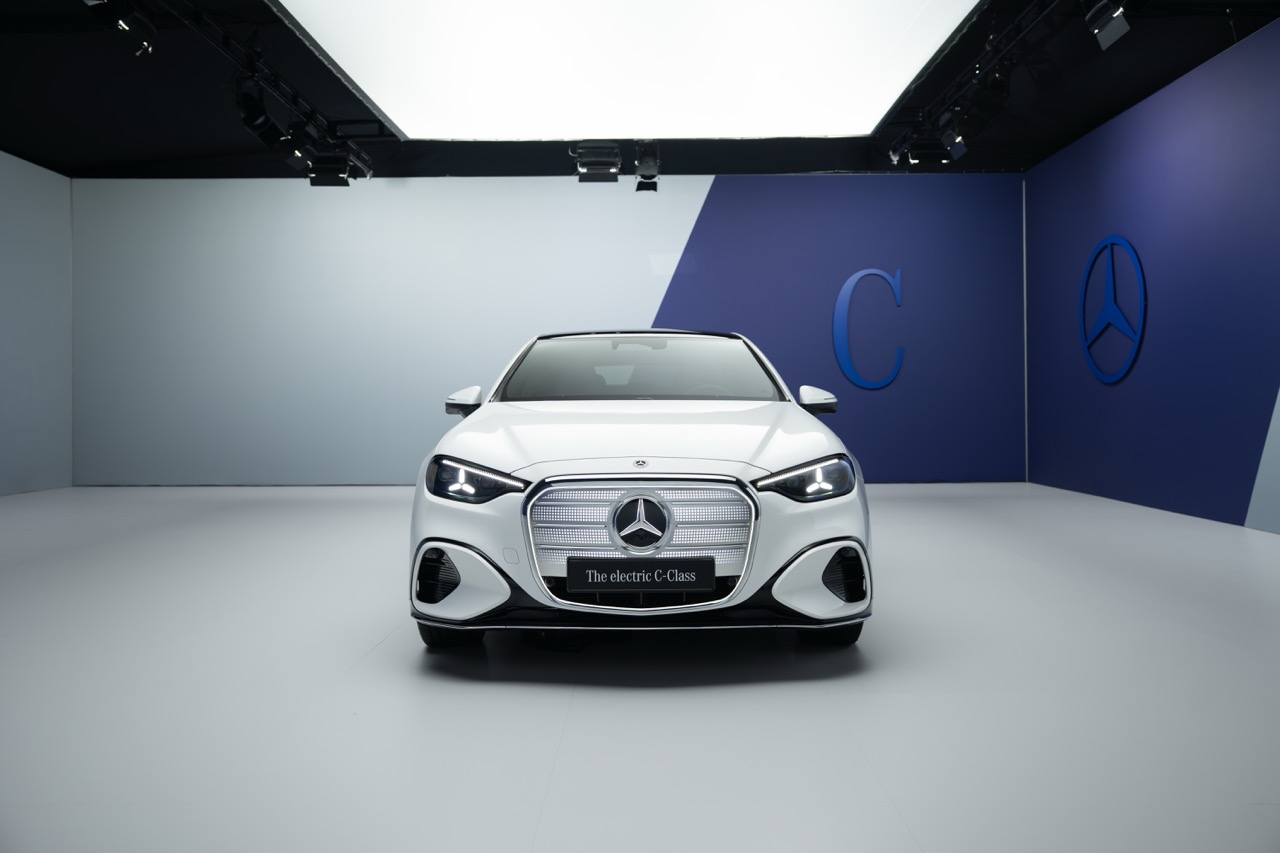
This isn’t just about early adopters anymore. Undoubtedly, Mercedes will target existing owners who are ready to switch to “no-compromise” EVs. For example, If you swap C-Class or GLC with EV variants, you’ll be rest assured about having the same top-notch package of experience and ownership.
At the same time, Mercedes-Benz seems to be casting a wider net. There’s a clear nod to buyers who care about software and connectivity—exactly the kind of people who might otherwise be looking at Tesla. Mercedes is essentially saying: you can have that tech, without losing the traditional luxury feel.
Who it suits best:
- Existing luxury buyers making the EV switch
- Tech-focused users who value connected features
- Mercedes owners looking to upgrade within the brand
d) C-Class EV vs C-Class ICE
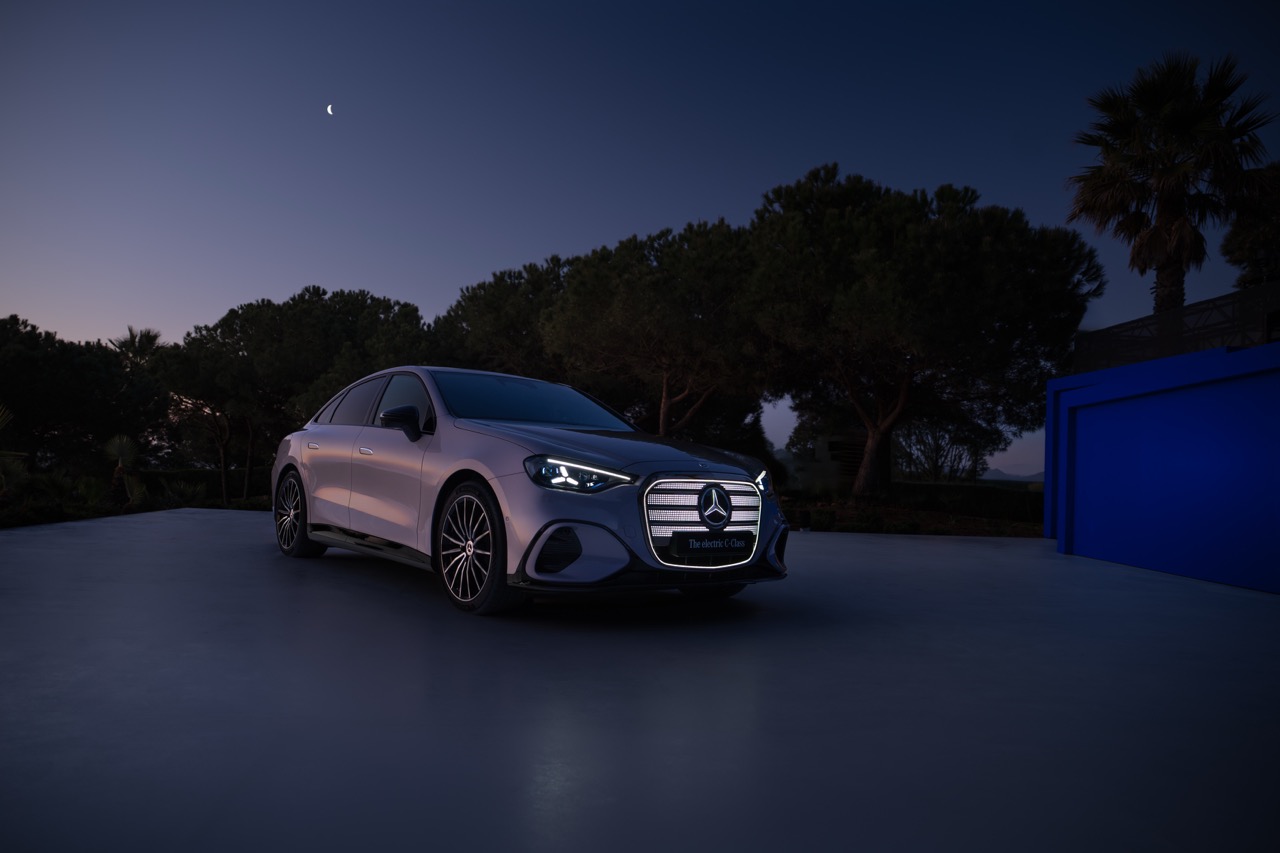
Put the upcoming EV version against the ICE version, and the difference isn’t just what’s powering it. Step inside and it feels airier straight away. There’s no transmission tunnel, and fewer packaging compromises. The result is more space—especially for rear passengers. It will be noticeable right away when you sit in the rear seat, and your head won’t hit the roof while travelling in this car.
Out on the road, the character shifts too. With an electric setup, the difference shows up the moment you start driving. Power comes in instantly, there’s barely any sound, and the whole experience just feels smoother—less about chasing speed, more about how easy everything feels.
The bigger shift, though, comes with ownership. This is not necessarily the case for an ordinary C-Class, which does not change much after purchase. It is somewhat different from these EVs. As Mercedes continues to develop and improve its existing products, your EV is likely to be upgraded within several years of purchase.
Where they differ most:
- EV offers more usable cabin space
- Noticeably quieter and smoother drive
- Instant power delivery vs gradual build-up
- Software updates vs fixed ownership experience
e) India angle
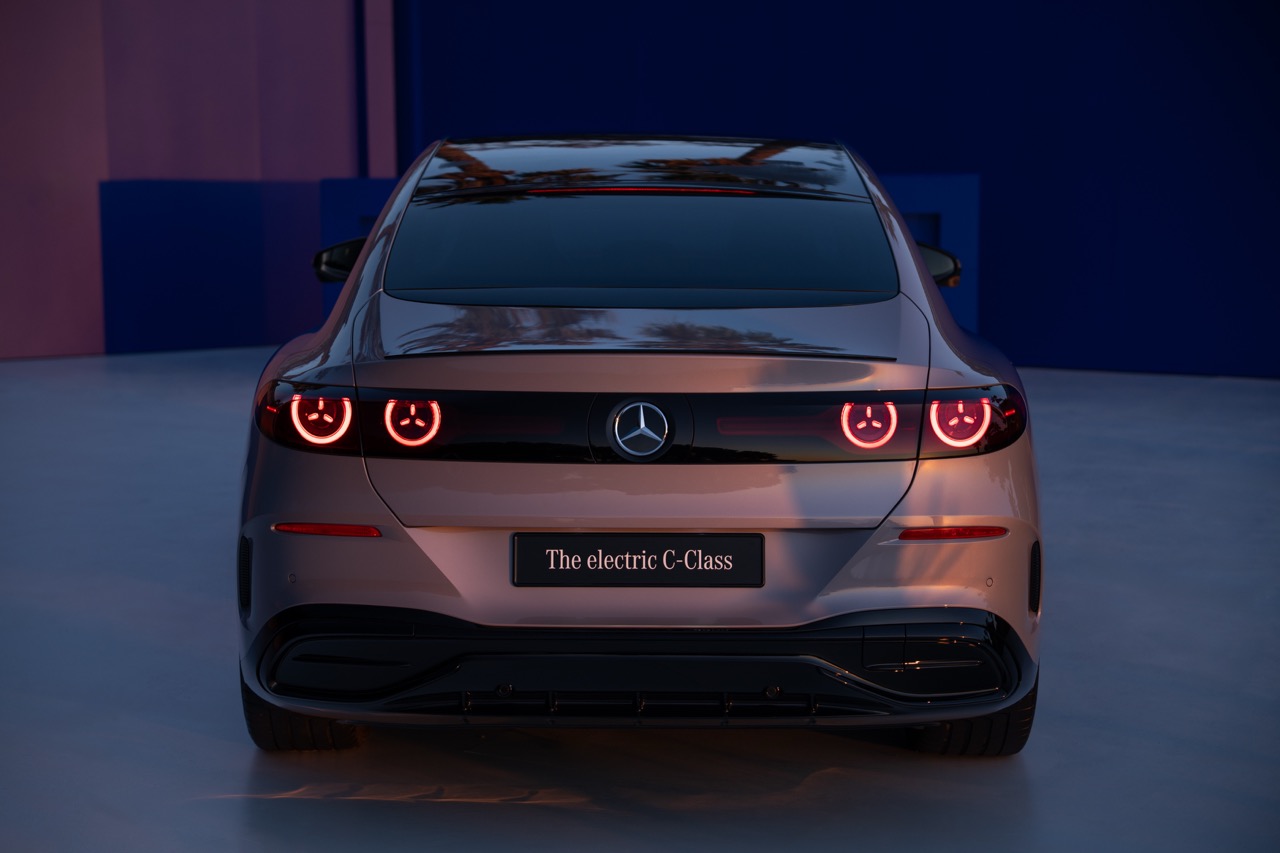
In India, this shift won’t be overnight—but it does feel relevant. One of the biggest concerns with EVs here is usability, and that’s where these new platforms could help. Better efficiency means more real-world range, which reduces the stress of planning every drive around charging points.
Faster charging also makes a difference, especially for highway runs. It doesn’t entirely solve infrastructure gaps, but it does make them easier to live with. Over time, as Mercedes rolls out across more models, there’s also a chance we’ll see relatively more accessible entry points into luxury EVs.
What it could mean locally:
- More practical range for everyday driving
- Faster charging improves long-distance usability
- Potential for broader EV lineup over time
- Infrastructure and pricing still key hurdles
f) Competition
Mercedes is not alone; BMW and Audi are also rolling up their EV sleeves. And then there are other companies like BYD, which have changed the entire discussion with their low prices and better battery systems. Lastly, there’s Tesla, whose software ecosystem is still far ahead of anything else out there. That is where Mercedes finds its place—in between all that—combining tech with luxury.
The landscape:
- BMW and Audi pushing new EV architectures
- Tesla leading on software and ecosystem
- BYD shaking things up on pricing and batteries
- Mercedes aiming for a balanced approach
g) Should you buy one?
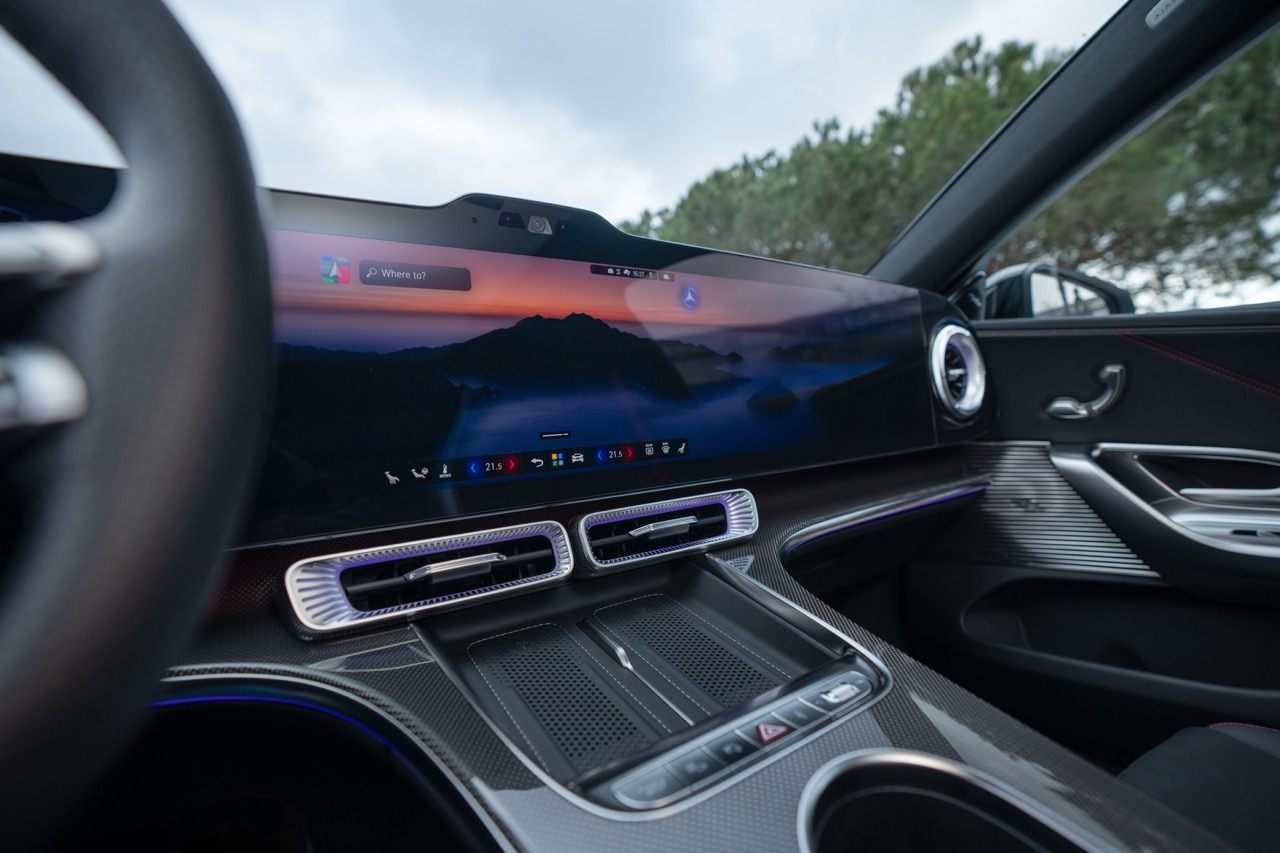
When viewed through the lens of the future of automobiles, not just a temporary phase, this car seems to be an excellent choice. It offers cutting-edge technology, along with the perks of electric mobility and fresh software. But then again, there is nothing black-and-white about it. It will cost a pretty penny, and countries such as India are yet to construct enough charging facilities. Ultimately, it comes down to one’s priorities. If the latest advancements interest you, then here is the way to go.
Quick take:
- Pros: refinement, tech, future-ready ownership
- Pros: strong efficiency and charging improvements
- Cons: high expected pricing
- Cons: infrastructure still evolving
h) Bottom line
This whole new approach by Mercedes-Benz is rather a total revolution. These EVs are not merely environmentally friendly; they are better cars overall. They have more room, drive better, and won’t be stuck with past ownership experience. If everything goes well, Mercedes might end up making electric cars the standard option in luxury-class automobiles.
To sum up:
- A genuine shift to EV-first thinking
- Software becoming just as important as hardware
- A clear attempt to redefine modern luxury